By: Amina Samuel, Kaduna
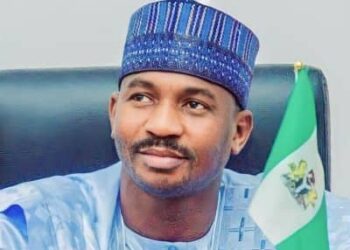
In a landmark event for infrastructure development, Kaduna State Governor, Senator Uba Sani, on Monday commissioned the state’s most significant road project in twenty years: a 35-kilometre asphaltic corridor linking three local government areas and serving as an agricultural lifeline for more than 76 rural communities.
The newly opened road, stretching from Gadan Gayan through Gwaraji to Kujama Junction, traverses Igabi, Kajuru, and Chikun Local Government Areas. Its centrepiece is a robust 130-metre bridge spanning the River Kaduna, a critical piece of engineering that connects long-isolated populations to major economic hubs.
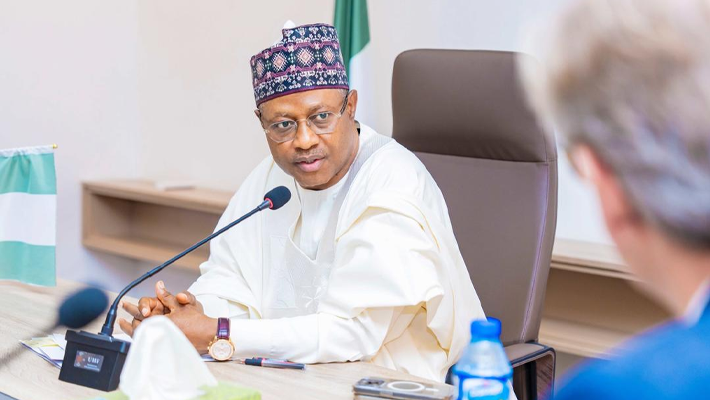
Speaking at a formal commissioning ceremony, Governor Sani hailed the project as a historic milestone and a tangible reflection of his administration’s commitment to inclusive, people-centred development. The project, he stated, directly addresses longstanding inequities in public investment while catalysing rural economic transformation.
“When we flagged off this project in January 2024, we made a solemn pledge to deliver a durable and efficient transport corridor,” Governor Sani stated. “Through disciplined planning, professional execution, and collective commitment, that promise has been fulfilled. This is more than just tarmac and concrete; it is a pathway to prosperity, designed to uplift our rural communities who form the backbone of our state’s economy.”
Strategic Mobility and Economic Revitalisation
The road’s primary impact is set to revolutionise mobility in the region. By providing a vital alternative route that bypasses the frequently congested Kaduna metropolis, it promises to dramatically slash travel times and reduce transportation costs for commuters, farmers, and traders alike. This improved accessibility is expected to have immediate social dividends.
“Emergency services will be able to respond faster, schoolchildren will reach their classrooms with greater ease, and families will enjoy improved access to healthcare, markets, and social services,” Governor Sani explained.
However, the project’s most profound implications are economic, specifically for Kaduna’s agricultural sector—the leading contributor to the state’s Gross Domestic Product (GDP). The road has been deliberately routed through some of the state’s most agriculturally productive yet previously underserved communities.
“By traversing these rural areas across three local government areas, this road directly links farms to markets, aggregation centres, processing facilities, and urban consumption hubs,” the Governor emphasised. “This will drastically reduce post-harvest losses, strengthen our agricultural value chains, and increase incomes for our farming families.”
Early signs of this anticipated economic revival are already visible. Governor Sani reported the emergence of new filling stations, market activity, and small businesses along the newly accessible corridor, describing it as “the quiet but powerful multiplier effect of well-planned infrastructure.”
Addressing Decades of Neglect
A significant portion of the Governor’s address focused on the project’s role in correcting historical imbalances in infrastructure investment. He singled out Kajuru Local Government Area as a key beneficiary, noting it was among twelve Area Councils that had not seen a single road project commissioned in over twelve years.
“This prolonged neglect constrained economic activity and limited life opportunities. That reality was unacceptable,” Governor Sani asserted. “Today, we are decisively reversing decades of under-investment. This road is a statement of our belief in equitable development for every citizen, regardless of their postcode.”
Part of a Broader Infrastructure Vision
The commissioning of this strategic road is not an isolated endeavour but a flagship project within Governor Uba Sani’s expansive infrastructure blueprint for Kaduna State. The administration has embarked on an ambitious programme encompassing 140 separate road projects, totalling approximately 1,335 kilometres across the state’s length and breadth.
Governor Sani provided a progress update, revealing that 66 roads from this portfolio have already been completed and opened to traffic. A substantial number of the remaining projects are reportedly between 60 and 75 per cent complete, indicating a sustained pipeline of infrastructure improvements for the foreseeable future.
The newly commissioned 35-kilometre road and bridge stand as Kaduna State’s most substantial infrastructure achievement in a generation. It symbolises a strategic pivot towards leveraging connective infrastructure as a tool for rural empowerment, agricultural enhancement, and balanced territorial development. As the first vehicles traversed the new bridge over the River Kaduna, the event marked not just the end of a construction project, but the opening of a new chapter for the state’s rural heartlands.