
Since independence in 1960, Nigeria’s politics has been shaped by the constant negotiation of balance between North and South, Muslim and Christian, majority and minority. The unwritten rules of power-sharing have often determined the stability of governments and the legitimacy of leadership. The 2023 elections reignited debates when the ruling party opted for a same-faith presidential ticket, sparking widespread discourse about fairness, unity, and the secular character of the state.
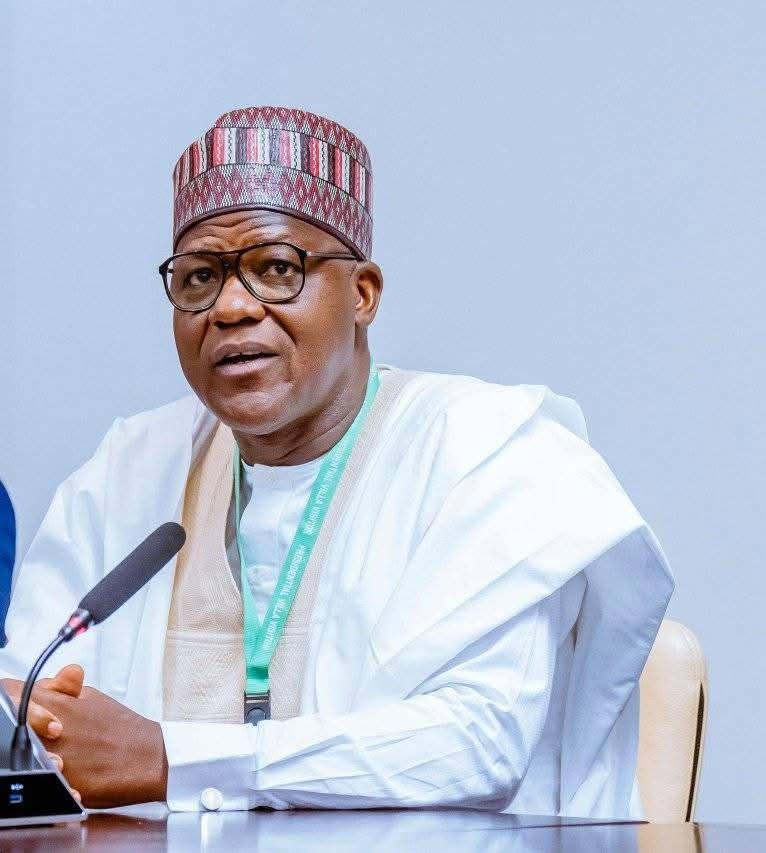
It is against this backdrop that Yakubu Dogara’s name has resurfaced in national conversations. A Christian from Bauchi State in the North-East, Dogara embodies both regional and religious balance. His legislative career, capped by his tenure as Speaker of the House of Representatives, has positioned him as a figure of credibility and institutional discipline.
Dogara’s political ascent began with his election to the House of Representatives in 2007. His election as the 14th Speaker in 2015 placed him at the helm of one of Nigeria’s most powerful institutions. As Speaker, Dogara was tasked with navigating a fractious House, balancing competing interests, and ensuring that legislative processes remained credible. His tenure was marked by efforts to strengthen parliamentary independence, enhance transparency, and assert the legislature’s role as a co-equal branch of government.
Among his most positive legislative achievements were landmark bills that reshaped Nigeria’s governance landscape. The Petroleum Industry Governance Bill (PIGB) was passed under his leadership, aiming to reform the oil and gas sector by improving transparency, efficiency, and accountability in Nigeria’s most critical industry. Dogara also presided over the passage of the Not-Too-Young-To-Run Bill, which lowered the age limits for elective offices, thereby opening the political space to Nigeria’s vibrant youth population. This decision was widely celebrated as a progressive step toward inclusivity and democratic deepening. Equally significant was the North-East Development Commission Bill, which established a commission to rebuild and rehabilitate communities ravaged by insurgency. For a leader from Bauchi in the North-East, this was not only symbolic but also practical, ensuring that legislative action addressed the humanitarian and developmental needs of his region and the country at large.
Supporters argue that these decisions demonstrate Dogara’s capacity for nation-first leadership, his ability to push through reforms with long-term impact, and his sensitivity to both national and regional needs. His respect for parliamentary procedure, coalition-building skills, and pragmatic advocacy for balance underscore his suitability for higher office.
In recent months, APC support groups from the North-East have publicly endorsed Dogara as a preferred deputy to President Tinubu. Their communiques emphasize his legislative experience, regional identity, and advocacy for balance. These endorsements reflect a growing narrative that positions Dogara not just as a politician, but as a symbol of stability in a polarized environment.
While politics remains fluid, Dogara’s record as Speaker strengthens his case. His legislative achievements—spanning governance reform, youth inclusion, and regional development—set him apart as a leader with proven impact. In a nation searching for equilibrium, Dogara’s emergence underscores the enduring importance of leaders who can bridge divides, uphold constitutional standards, and deliver reforms that resonate across Nigeria.
By Festus O. Olubodun, Lagos