
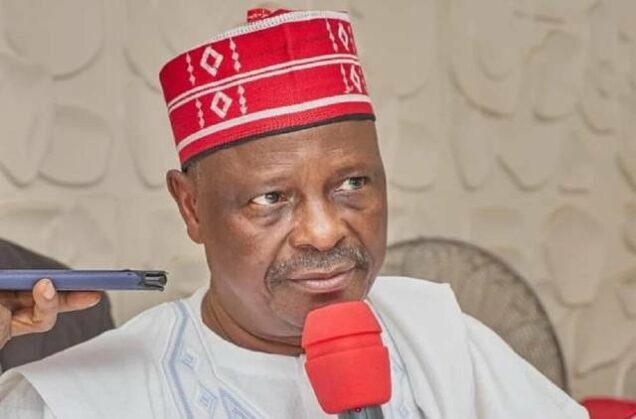
The Kano People’s Rights Alliance (KPRA), has cautioned former Kano State Governor and leader of the Kwankwasiyya Movement, Senator Rabi’u Musa Kwankwaso, to desist from what it described as false and inflammatory allegations against the administration of Governor Abba Kabir Yusuf.
KPRA said it was compelled to respond to recent statements attributed to Senator Kwankwaso on his verified social media platforms, in which he alleged that the Kano State Government was coercing state officials and elected local government chairmen to defect to the All Progressives Congress (APC).
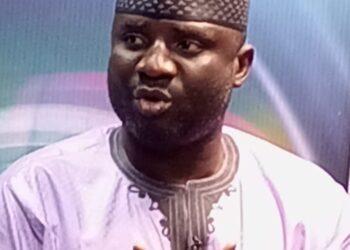
In a statement issued by its Coordinator, Isyaku Lawal Tofa, the group described the allegations as unfounded, misleading and capable of inciting unrest in the state.
Tofa said: “Senator Kwankwaso’s allegations are particularly troubling given the current political climate in Kano State. By suggesting that the state government is engaging in such coercive tactics, he is not only undermining the integrity of our democratic processes but also inciting unrest among his supporters.
“It is deeply concerning that a leader of his stature would resort to such inflammatory rhetoric, which has the potential to exacerbate tensions in a region already marked by political volatility. By fanning the flames of discontent,
“Senator Kwankwaso is not merely expressing a political grievance; he is, in fact, stocking the embers of violence that could lead to chaos in our beloved state.
It is disheartening to witness a former governor of Kano State employ such tactics, which are unbecoming of a leader who should be championing peace, unity, and the rule of law.
“The Kano People’s Rights Alliance believes that the political arena should be a space for constructive dialogue and healthy competition, rather than a battleground for accusations and threats.”
He said it was disheartening that a former leader who should promote peace, unity and respect for the rule of law would engage in what it termed confrontational and divisive politics.
According to KPRA, the political space should be reserved for constructive engagement and healthy competition, rather than accusations capable of threatening public order.
Tofa added, “We call upon Senator Kwankwaso to reflect on the implications of his words and to engage in a manner that promotes understanding rather than division. Moreover, it is essential to remind Senator Kwankwaso that he bears a significant responsibility for the actions and reactions of his supporters.
“His incendiary statements can easily be misconstrued and exploited by those who may wish to engage in violence or disorder. The KPRA warns that should any breakdown of law and order occur as a result of his rhetoric, he will be held accountable
“It is the duty of every political leader to foster an environment of peace and security, and we urge him to take this responsibility seriously. The Kano State Government, under the leadership of Governor Governor Abba Kabir Yusuf has consistently demonstrated a commitment to upholding democratic values and ensuring a peaceful political environment.
“The allegations made by Senator Kwankwaso are not only baseless but also an affront to the hard work and dedication of those who serve in governance. We encourage all citizens of Kano to remain vigilant against such unfounded claims and to seek the truth through credible sources.”
The group also accused Kwankwaso of a long-standing pattern of confrontational politics driven by personal ambition, warning that such an approach could destabilize the state and undermine democratic discourse.
It called on all political actors to prioritize peace, stability and the collective interest of Kano State over personal or partisan considerations, adding that, “This propensity for aggressive political maneuvering underscores a broader pattern of desperation, wherein the pursuit of power may overshadow the imperative for responsible governance.
“Such a mindset not only threatens to destabilize the political landscape but also risks igniting conflict within the state, ultimately undermining the very foundations of democratic discourse.”