

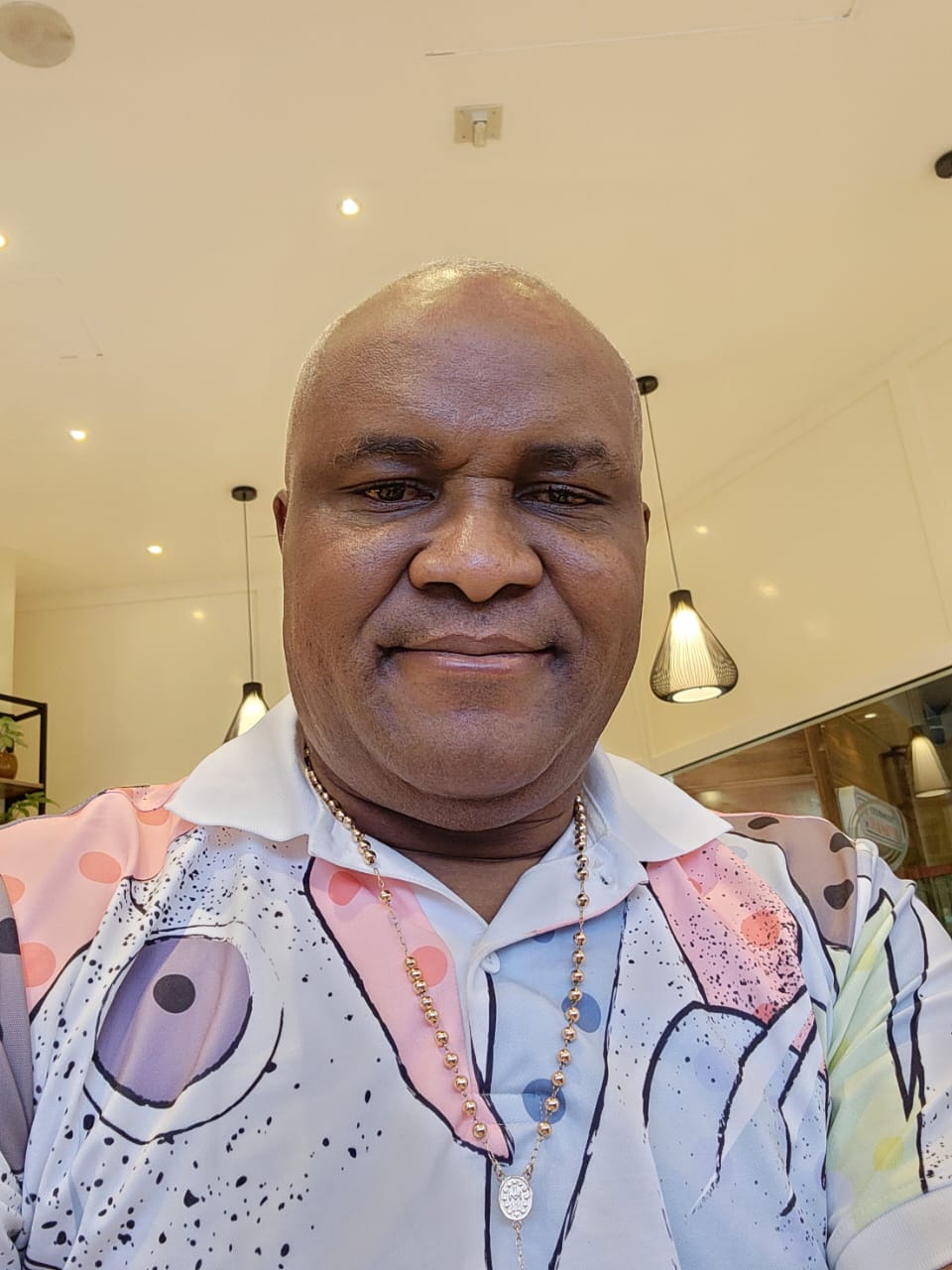
The unauthorised disclosure of Nollywood actor Emeka Ike’s voter registration data has ignited widespread concerns about the security of Nigeria’s electoral database and the protection of citizens’ digital rights ahead of the 2027 presidential poll.
On June 2, 2026, the Independent National Electoral Commission (INEC) confirmed that its personnel had improperly accessed and exposed the actor’s voter information. The commission, however, maintained that no external breach of its database had occurred.
INEC National Commissioner Mohammed Haruna announced that an immediate investigation had been launched following social media allegations that data from the Continuous Voter Registration (CVR) system had been accessed without authorisation and published online.
“Access to the CVR system is strictly controlled and limited to authorised officials carrying out registration-related duties,” Haruna stated, adding that a preliminary audit had identified the user account involved.
“Preliminary findings indicate that there was no external breach, no hacking incident, and no unauthorised external access to the Commission’s ICT infrastructure. Rather, the information was accessed through valid user credentials but released without authority,” he explained.
The incident relates to a specific voter record and does not compromise the broader registration infrastructure or the personal data of over 90 million registered voters, INEC said.
Security agencies, including the Department of State Services (DSS), are investigating the matter alongside the commission’s internal inquiry.
Legal Action Underway
Emeka Ike has filed a ₦10 billion fundamental rights enforcement suit against INEC and Lere Olayinka, media aide to FCT Minister Nyesom Wike, who posted the actor’s registration data on social media. The Federal High Court in Abuja adjourned the case for further mention on July 2.
The actor contends that his voter registration transfer details from Imo State to the Federal Capital Territory were published without his consent after being accessed from a restricted INEC administrative portal. He is seeking damages, removal of the social media post, and a public apology.
Adeh, counsel to the actor, expressed confidence in the claim, stating: “It is very possible that whoever accessed this thing must have also been able to access other records. We want to use Emeka Ike’s issue to ensure this kind of thing is put in check.”
Digital Rights Under Threat
The breach has raised troubling questions about whether Nigerians can trust INEC—whose chairman was appointed by President Bola Ahmed Tinubu—to protect voter data, particularly with the President seeking re-election on January 16, 2027.
Compounding these concerns is the appointment of the Director-General of Nigeria’s data protection agency as a member of President Tinubu’s presidential campaign council.
Digital rights are human rights in the internet age, encompassing online privacy and freedom of expression as extensions of the rights enshrined in the UN’s Universal Declaration of Human Rights. According to the UN, disconnecting people from the internet violates these rights.
Yet governments worldwide, including Nigeria’s, have been accused of violating citizens’ digital rights. In 2013, Edward Snowden’s revelations about US government surveillance exposed the fragility of online privacy protections. The UN has since appointed a Special Rapporteur on the Right to Privacy to address these concerns.
A Crisis of Confidence
In Nigeria, public office holders often appear to operate above the law, violating regulations for partisan interests. The appointment of the data protection chief to a presidential campaign council provides millions of citizens with further reason to question whether the government can be trusted to safeguard their data with integrity.
If decisive action is not taken to guarantee the protection of citizens’ digital rights, the 2027 presidential election could be compromised through the misuse of stolen or leaked data.
INEC must come clean on the breach that is now the subject of court proceedings. The protection of citizens’ personal and electoral data must not be treated as a peripheral issue. In an increasingly digital electoral environment, the integrity of voter information is fundamental to public confidence in the electoral process.
Emmanuel Nnadozie Onwubiko is the founder of the Human Rights Writers Association of Nigeria (HURIWA) and a former Federal Commissioner of the National Human Rights Commission of Nigeria.