
Taraba Governor Agbu Kefas has led tributes to veteran journalist Ben Adaji, describing him as a democracy hero who wielded his pen with courage, integrity, and an unwavering commitment to free speech.
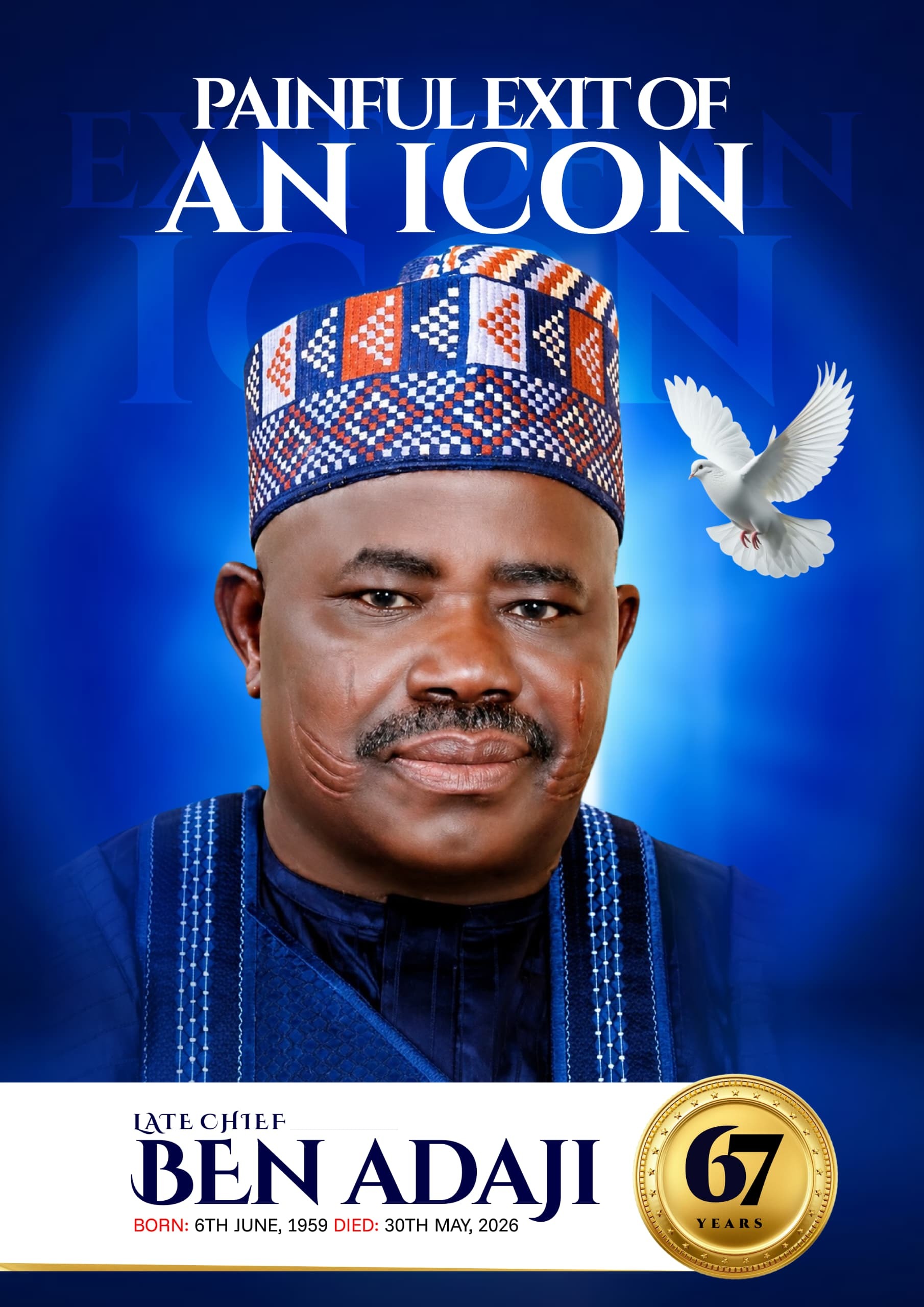
Encomiums have continued to pour in following the death of the seasoned reporter, who passed away on Saturday at his country home in Abo-Ojikpadala, Imane District, Olamaboro Local Government Area of Kogi State. He was 67.
Adaji, a household name in Taraba’s media and political circles, spent decades reporting from the state, which he regarded as his second home. He moved seamlessly between news organisations—including TheNEWS/TEMPO/PM NEWS, The Nation, National Trail, and most recently Aljazira Nigeria—always serving as their Taraba correspondent.
Colleagues and admirers recall him as a fearless field officer who dug beyond press releases, held power to account, and asked the questions many shied away from. His aggressive interview style and acerbic reports made him a thorn in the side of the powerful, yet friends remember him as extraordinarily kind, generous, and loyal.
“I saw him a few days ago,” one sympathiser recounted, noting that Adaji had been in high spirits, particularly about his recent foray into partisan politics.
Governor Kefas: A Great Loss to Media
Reacting to the demise, Taraba State Governor Agbu Kefas expressed profound sadness, stating that the loss is immense for both the Adaji family and the entire media community in the state.
Governor Kefas described the late journalist as forthright and ethically grounded, noting that he played a critical role in upholding free speech in Taraba through bold reporting and strict professionalism.
“He exhibited remarkable courage when dealing with power, including during the military era,” the Governor said. “Ben Adaji was a hero of democracy and a great example of journalistic excellence.”
Adaji, who once chaired the Taraba State Correspondents’ Chapel of the Nigerian Union of Journalists (NUJ), also held the revered traditional title of Abujah of Oda Ojiji Imane in Kogi State, where he was recognised for his contributions to cultural heritage and community development.
He is survived by his family, colleagues, and a generation of young journalists he mentored.