
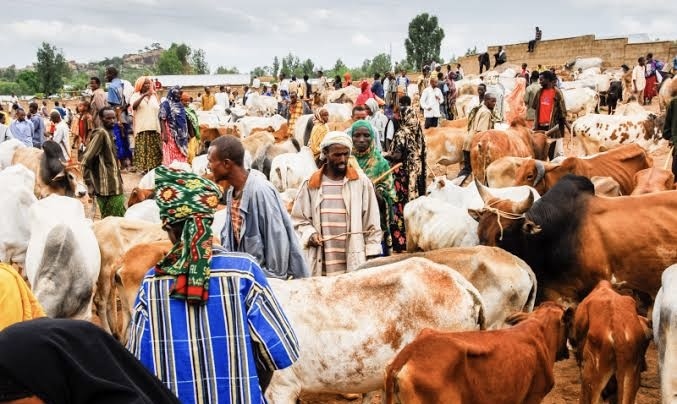
In a decisive move to enhance public health, ensure food safety, and bolster local livelihoods, the Kano State Government is set to overhaul its livestock trading and meat processing practices. This initiative, spearheaded by the Commissioner for Livestock Development, Aliyu Isah, aims to align local operations with global best practices while safeguarding the interests of both consumers and traders.
During an important meeting with the Kano State Livestock Traders and Meat Processing Union, Isah articulated the government’s commitment to reforming the sector. He emphasised the necessity of modernisation in livestock business practices to elevate standards and ensure transparency.
### Transitioning to Global Standards
One of the cornerstone reforms announced involves the shift from traditional price bargaining to a more systematic and transparent weighing method for livestock sales. This innovative approach is designed to establish a fair pricing structure, whereby the weights of animals will be measured accurately, and prices determined collaboratively by the government and stakeholders in the industry.
Isah highlighted that this new system would protect both buyers and sellers by eliminating uncertainties associated with traditional negotiation methods. The introduction of standardised weights not only promotes fairness but also enhances the overall integrity of the market.
### Commitment to Public Health
The commissioner reiterated the government’s strict stance against practices that endanger public health and animal welfare. Specifically, he condemned the slaughter of pregnant animals and the sale of meat from deceased animals, which pose significant risks to human health.
Isah categorically described these practices as illegal and detrimental, vowing to intensify monitoring and enforcement efforts to eliminate such activities. He stated, “Our zero tolerance policy is aimed at ensuring that all meat sold in Kano meets the highest safety standards, thereby protecting our citizens.”
Supporting Local Livelihoods
The reforms are not only about health and safety; they also aim to strengthen the livelihoods of those involved in the livestock sector. By fostering a more reliable and transparent trading environment, the government seeks to empower local traders and processors, ensuring they benefit from a fair market.
Isah assured the Livestock Traders and Meat Processing Union of the government’s commitment to sustained collaboration and stakeholder engagement throughout the reform process. He expressed optimism that these changes would enhance the economic viability of livestock trading in Kano, creating a more robust local economy.
Aligning with the Development Agenda
These reforms are integral to the broader development agenda of Governor Abba Kabir Yusuf’s administration. By establishing a dedicated ministry for livestock, the government aims to safeguard lives and enhance food safety across the state. The reforms are designed to create a more responsible and modern livestock value chain, which is essential for the health of both consumers and the economy.
Conclusion
The Kano State Government’s initiative to reform livestock trading and meat processing marks a significant step towards improving public health and safety while reinforcing local livelihoods. As these reforms take shape, stakeholders in the livestock sector can anticipate a more structured and equitable marketplace that prioritises the welfare of both animals and consumers.
Through rigorous enforcement of health standards and the adoption of innovative trading practices, Kano is poised to become a leading example of modern livestock management in Nigeria. The government’s commitment to transparency and fairness will not only benefit traders but also ensure that consumers can trust the quality of meat products available in the market.
With these ambitious reforms, Kano is not just transforming its livestock sector; it is setting a precedent for how agricultural practices can evolve to meet contemporary health and economic challenges.
As the initiative unfolds, all eyes will be on Kano to see how these changes will reshape the landscape of livestock trading in the region, ultimately benefiting the community as a whole.